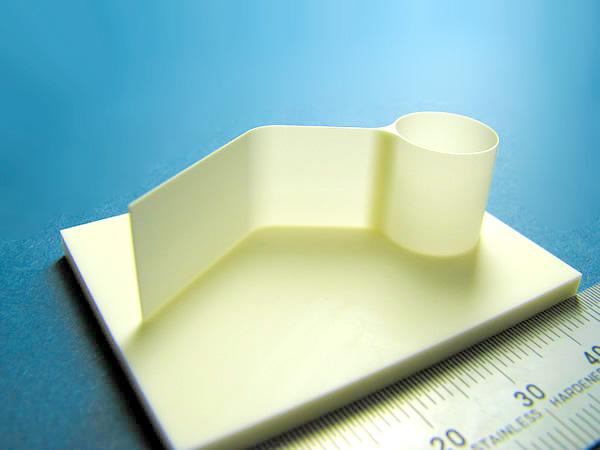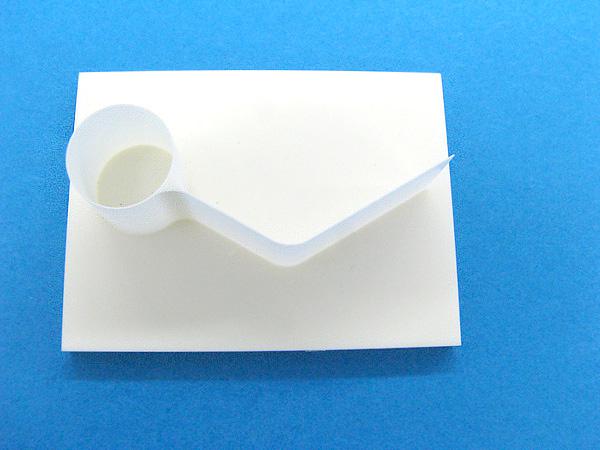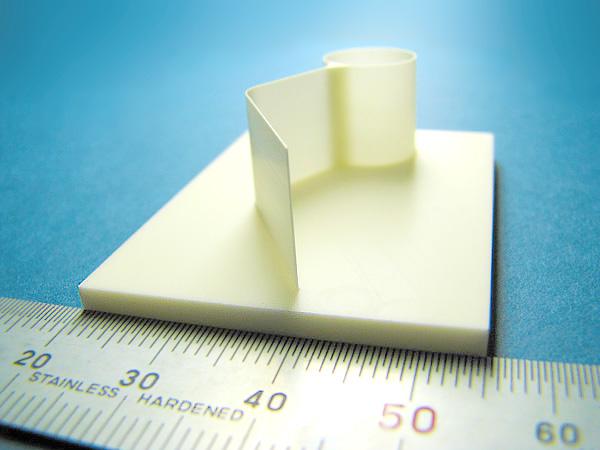
Contour Machining for Ceramics
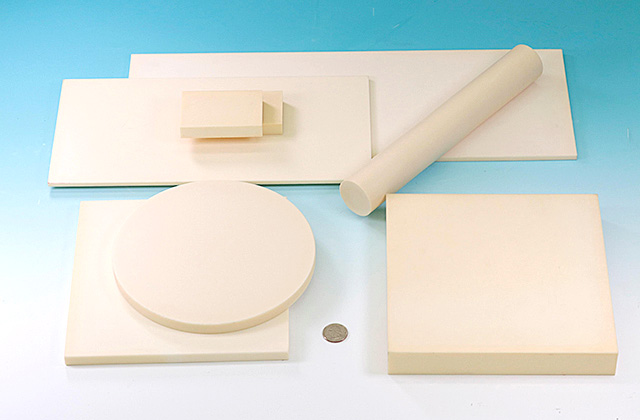
Alumina (Al₂O₃)
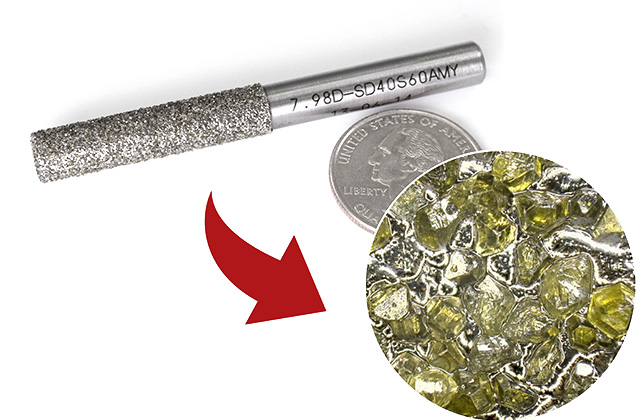
Electroplated grinding wheel #40
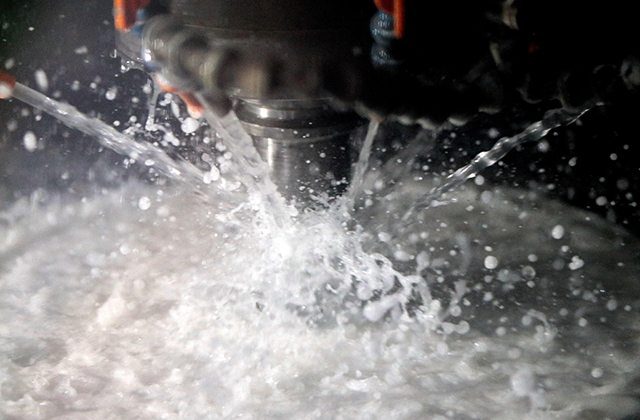
Machining
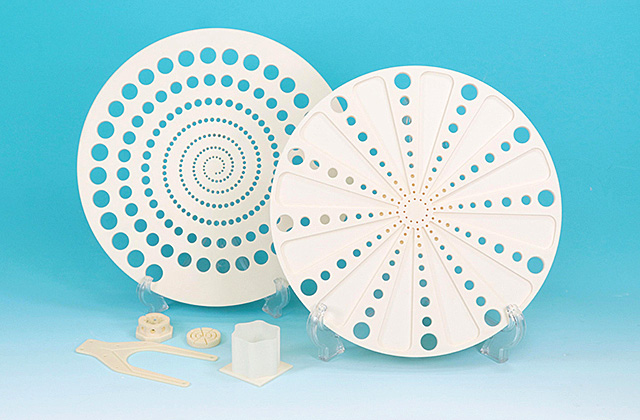
Processing sample
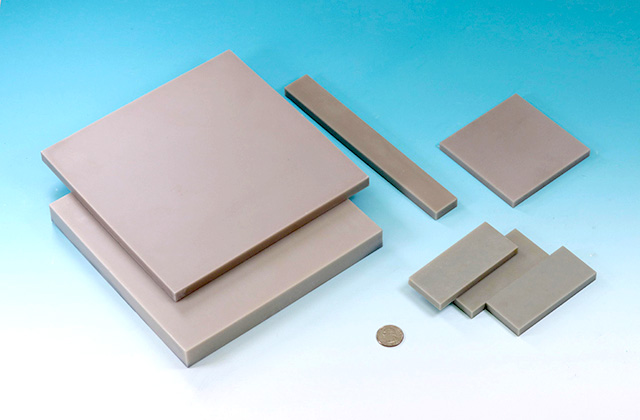
Aluminum Nitride (AlN)
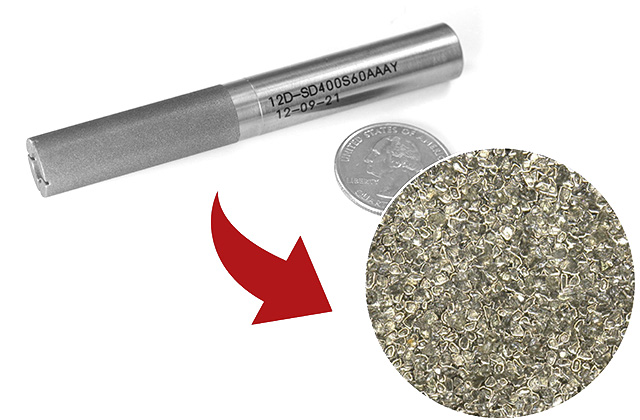
Electroplated grinding wheel #400
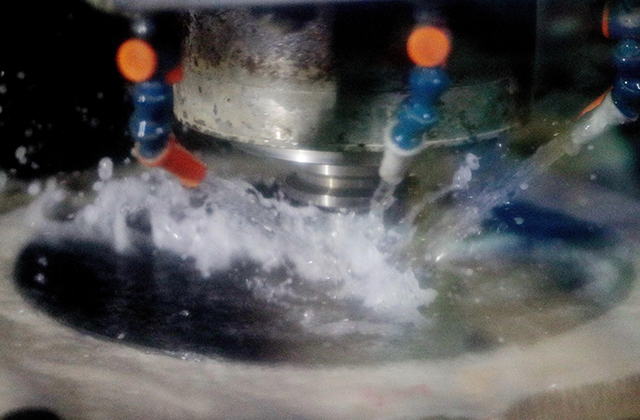
Machining
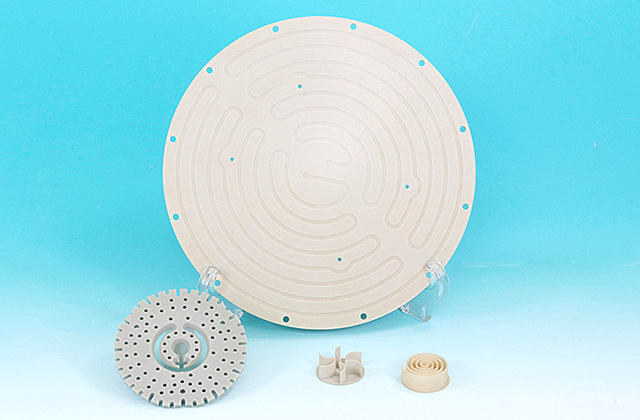
Processing sample
Regarding the processing ceramics with diamond grinding wheels
Processing ceramics with diamond grinding wheels is easiest to understand by imagining "hammering a hole in a concrete wall." The process involves using countless tiny diamond hammers to break and grind the ceramic wall.
Hammers come in different sizes and shapes; flat or pointed. A large, flat hammer is used for powerful strikes, while a small, pointed hammer is used for precise strikes. Diamond grinding wheels are similar. Diamond abrasive grains also come in different sizes (classified by grit). Their shapes also vary; some have obtuse angles for longer lifespan, while others are pointed for superior cutting performance. For rough machining where efficiency is crucial, larger, chip-resistant diamond grains are used, while for precision machining, smaller, pointed grains are selected for their superior cutting ability.
Just as hammers come in various materials such as iron, copper, and plastic, diamond grinding wheels also come in different types of bonding agents, such as electroplated, metal, resin, and vitrified.
Regarding the feasibility of processing, product accuracy, appearance quality, and processing ratio.
The feasibility of processing, product accuracy, appearance quality, and processing efficiency vary greatly depending on the processing method. Processing ceramics with diamond grinding wheels is a very complex process. At our company, we design our own diamond grinding wheels to match the characteristics of the ceramics, and we either have them custom-made by manufacturers or produce them in-house, using them appropriately depending on the situation.
Examples of shaping ceramics
Examples of shape processing
Engraving from alumina material (50x40xt20) with a thickness of t0.2