
Contour Machining for Tungsten (W)
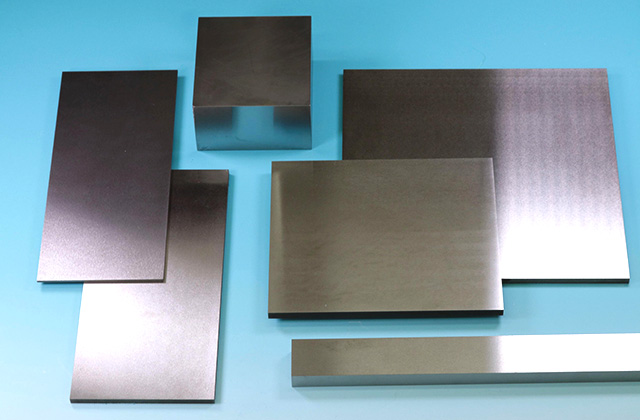
Tungsten (W) plate
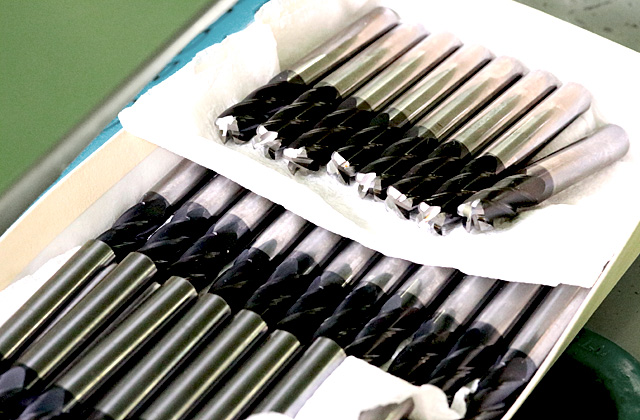
End mill
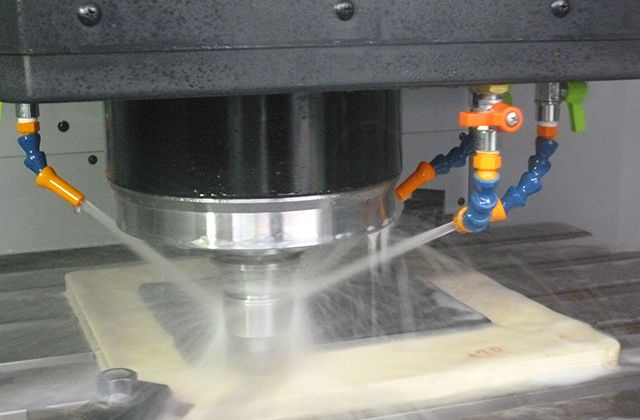
Machining
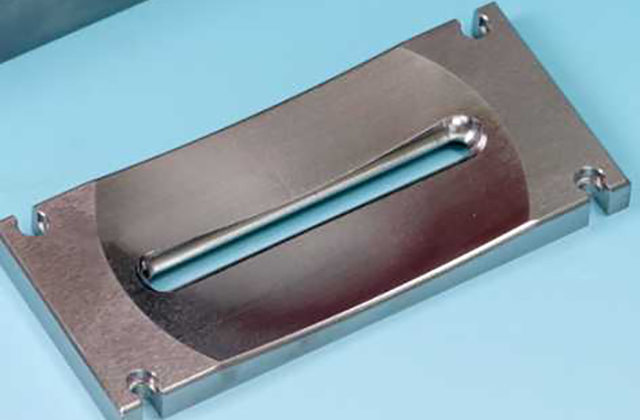
Processing sample
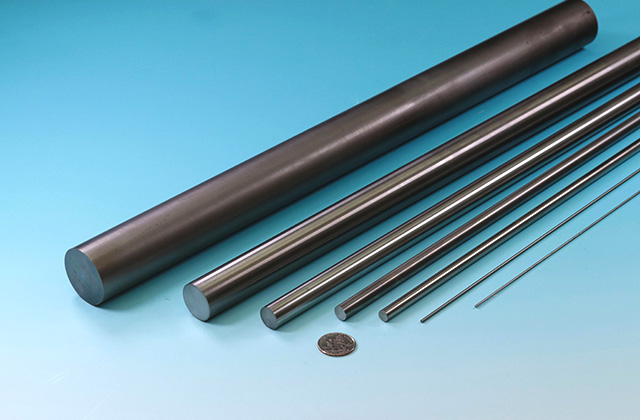
Tungsten (W) rod
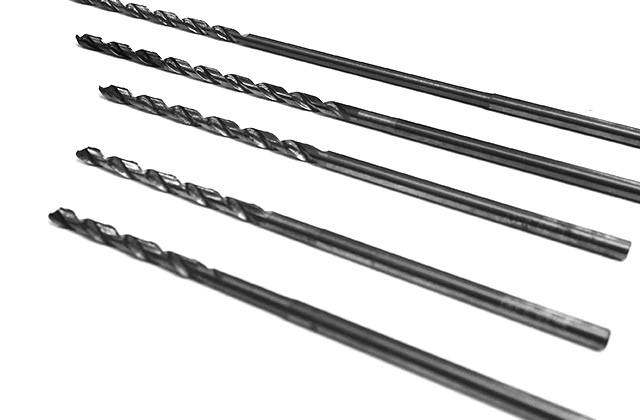
Drill
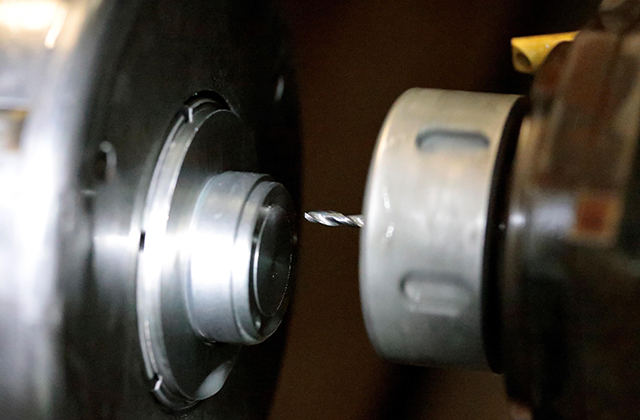
Lathe machining
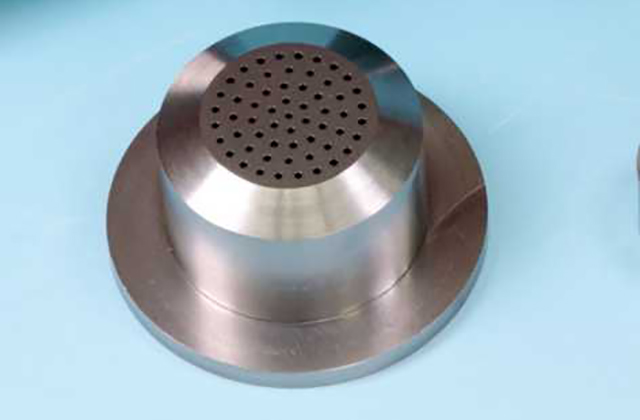
Processing sample
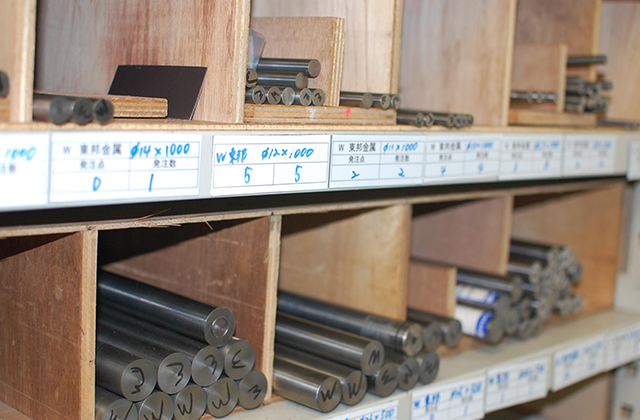
Examples of in-house tungsten inventory
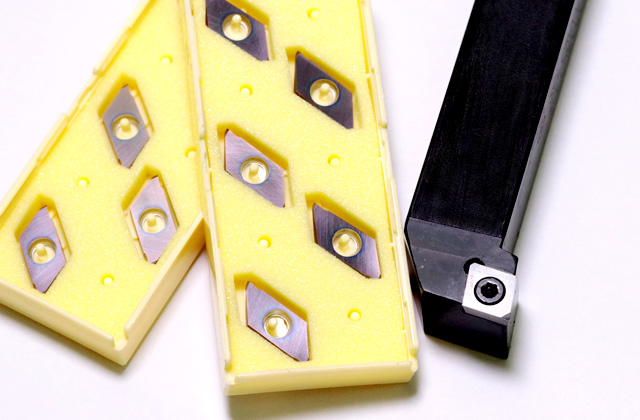
Tool bit
Process quickly while the tool is still sharp, and resharpen the tool immediately when the cutting edge wears down and the cutting edge becomes dull.
Like molybdenum, tungsten is a powder sintered metal, but it undergoes sintering, forging, rolling, and swaging at even higher temperatures than molybdenum.
Its crystalline grains are far harder than those of molybdenum, and cutting causes rapid wear on the tool's cutting edge. Furthermore, tungsten itself is prone to chipping and cracking.
Tungsten is an extremely difficult material to machine. Therefore, while some suggest that "heating the material with a burner improves machinability" or "cooling it to sub-zero temperatures prevents heat-induced damage to the cutting edge," we process it at room temperature.
The key to shaping tungsten lies in the tools and machining conditions.
We have tried various tool materials, including diamond, CBN, and ceramics, but all materials resulted in excessive wear and poor cost-effectiveness. Ultimately, we use cemented carbide, selecting those with particularly high hardness and toughness.
Because the material is prone to cracking and chipping, sharp tools are essential. Furthermore, since cutting edge wear occurs severely, the tool shape must be designed to facilitate chip evacuation. At our company, tool sharpening is performed in-house. Machining with a dull tool will result in chipping and cracking at the edges of the product and at the exit of holes.
Regarding materials, even more careful management of the thermal history during material manufacturing is necessary than with molybdenum. The machinability of materials where recrystallization has progressed and the crystal grain size has increased is extremely poor.
Wire EDM on tungsten can be performed without any particular problems, similar to molybdenum.