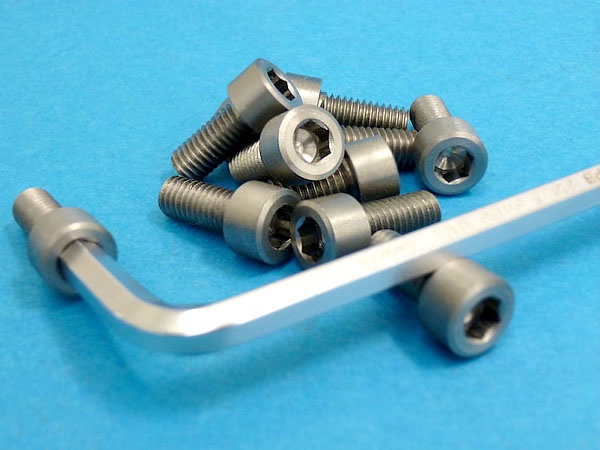
We introduce machining examples of molybdenum
Molybdenum offers relatively good machinability among refractory metals and is widely used due to its excellent heat resistance and thermal properties.
Materials are stocked in-house, enabling short lead times.
Molybdenum (Mo)
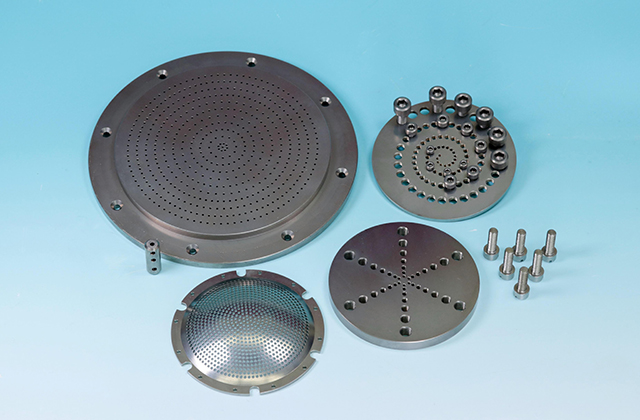
Heat resistance · High Thermal Conductivity · Low Thermal Expansion
Compatible with Diffusion Bonding
Typical properties of molybdenum
| Item | Purity (%) |
Bulk Density (g/㎤) |
Vickers Hardness (GPa) |
Young’s Modulus (GPa) |
Melting Point (℃) |
Recrystallization Temperature (℃) |
Coefficient of Thermal Expansion (×10-⁶/℃) |
Thermal Conductivity (W/(m·K)) |
Volume Resistivity (Ω・㎝) |
|---|---|---|---|---|---|---|---|---|---|
| Chemical Formula | |||||||||
| Mo | 99.95– | 10.2 | 1.5 | 327 | 2,623 | 1,000–1,200 | 5.1 (RT) |
142 (20℃) |
5.7 ×10-⁶ |
Applications Utilizing Material Properties
| Item | Features | Applications |
|---|---|---|
|
High Heat Resistance Low Thermal Expansion High Thermal Conductivity |
· Usable at High Temperatures · Low Thermal Expansion with minimal warping and distortion。 · Thermal expansion close to ceramics such as AlN and Al2O3 · High Thermal Conductivity with efficient heat transfer |
· Components for High-Temperature Use · Components Requiring High Precision · Heat Dissipation Components Requiring High Thermal Conductivity · Heaters and Terminal Components Embedded in Ceramics |
| Good Machinability |
· Good machinability allowing complex shapes。 · Low internal stress from machining, enabling high geometric accuracy (flatness and parallelism) |
|
| Chemical Resistance |
Machinable Sizes
| Item | Sizes (mm) | Item | Sizes (mm) |
|---|---|---|---|
| Plate Dimensions | 500 × 800 × 30 | Hole Diameter | Φ0.03– |
| Rod Dimensions | Φ100 ×500 | Hole Depth | –300 |
| Grooves | Width 0.1– | Number of Holes | –1,0000 |
| Steps (Protrusions / Recesses) | –100 | Threads | M2– |
Machining Examples of Molybdenum
-
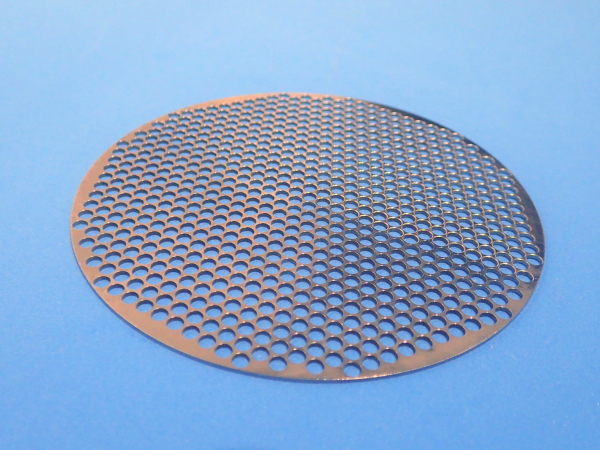
Molybdenum Thin-Wall Machining
-
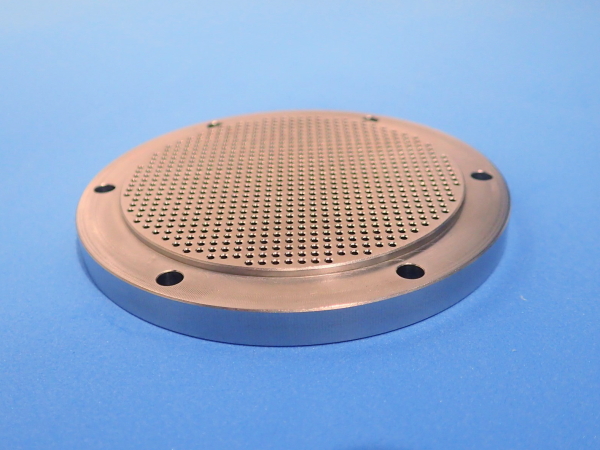
Molybdenum Multi-Hole Machining
-
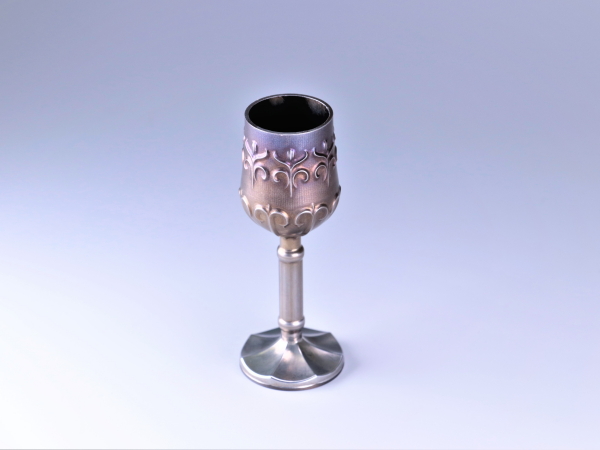
3D Wine Glass
-
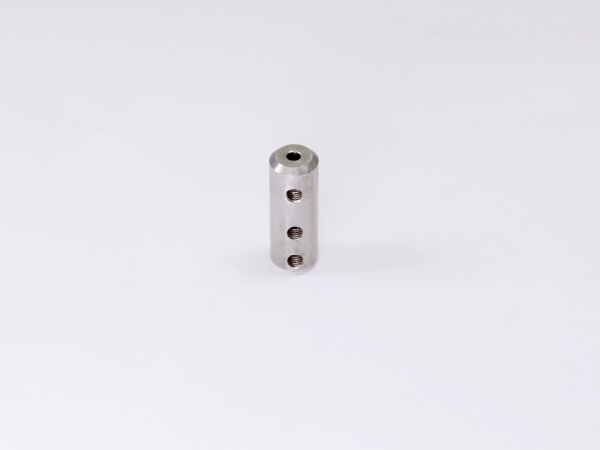
Molybdenum Turning Parts
-
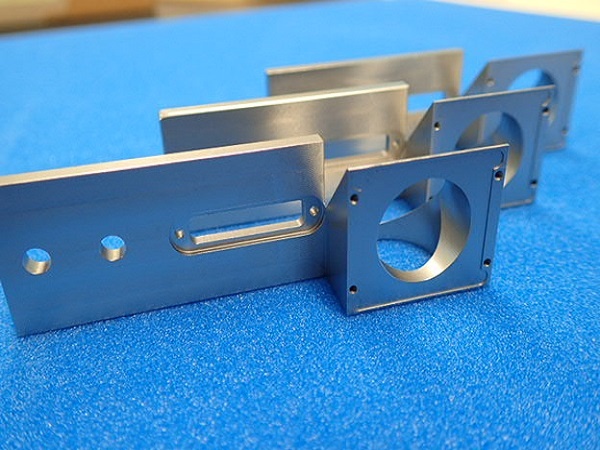
Molybdenum Beam Monitor
-
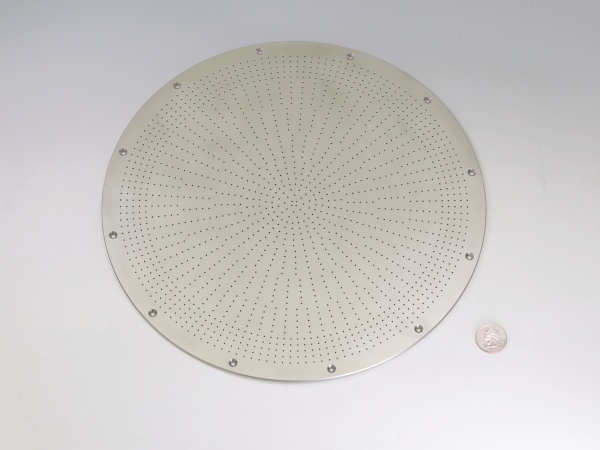
Molybdenum Electrode 1
-
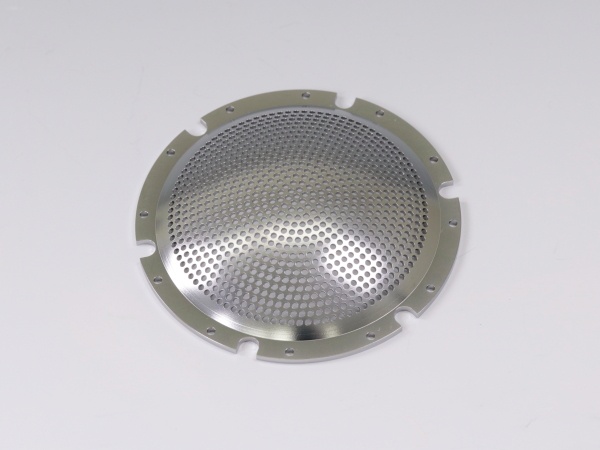
Ion Gun Electrode
-
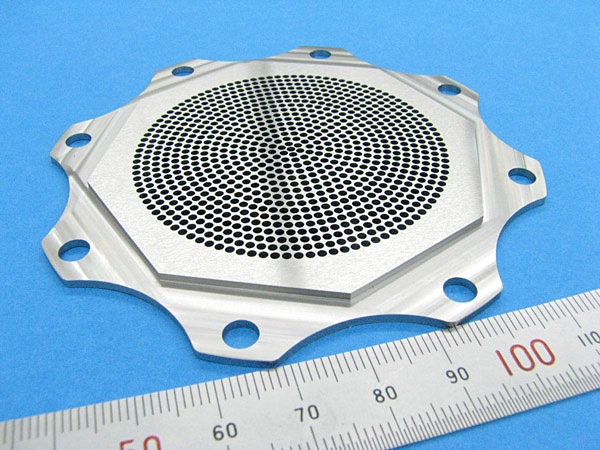
Molybdenum Multi-Hole Machined Part
-
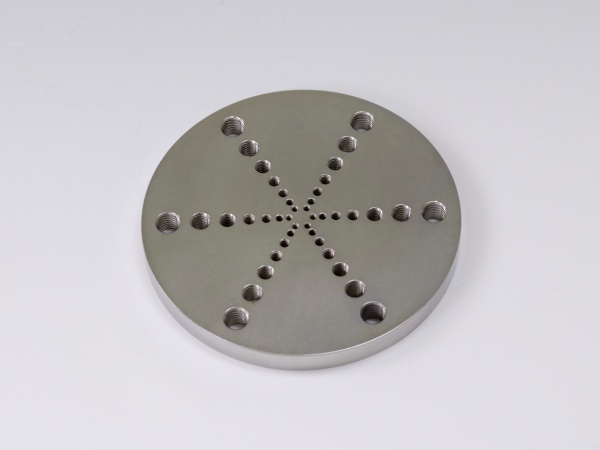
Internal Thread Machined Part
-
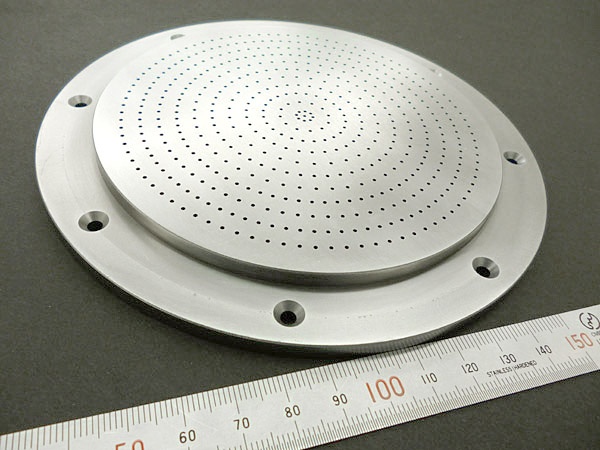
Stepped Electrode
-
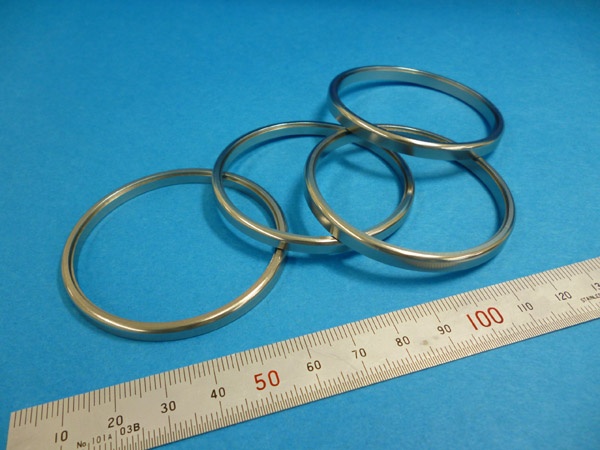
Ring Machined Part
-
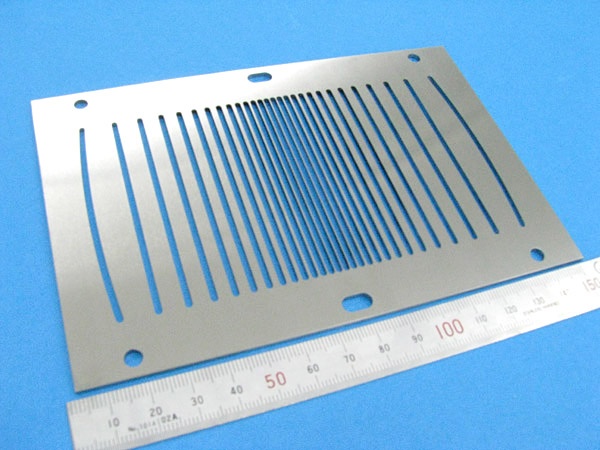
Molybdenum Slit Plate 1
-
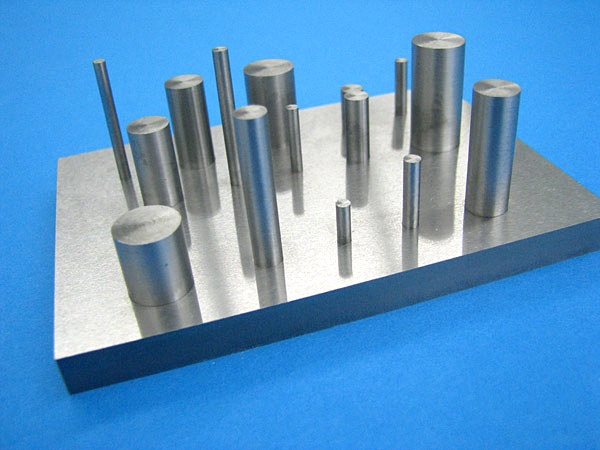
Molybdenum Press-Fit Part
-
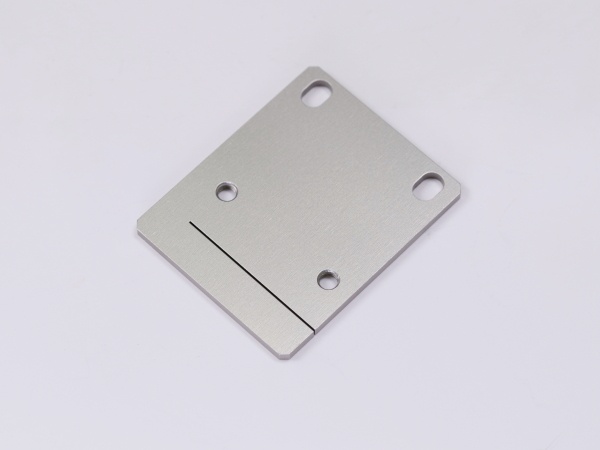
Molybdenum Holder
-
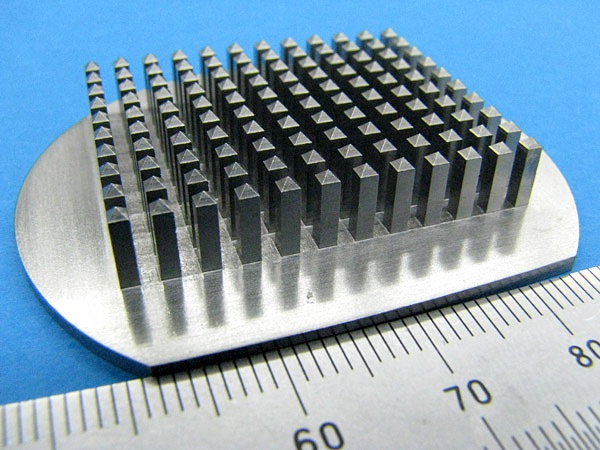
Molybdenum Electrode 2
-
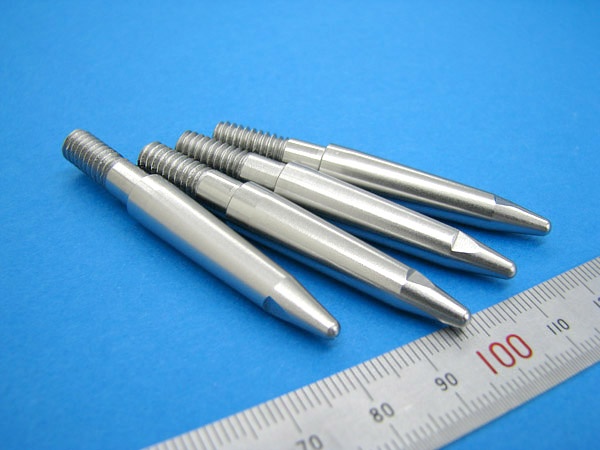
Molybdenum Electrode 3
-
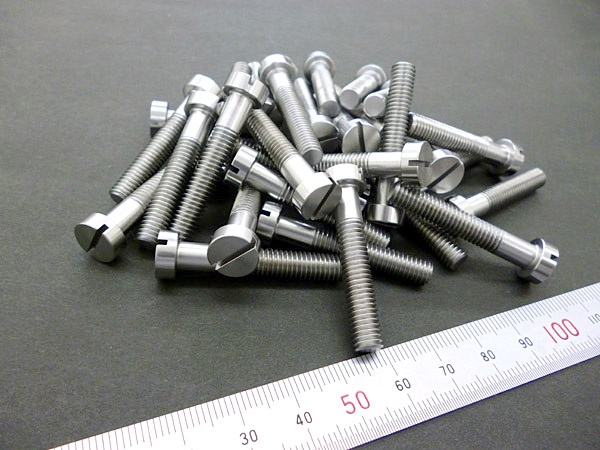
Pan Head Screw 1
-
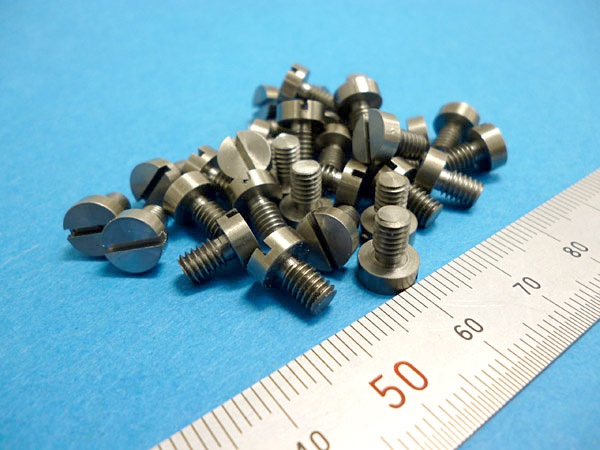
Pan Head Screw 2
-
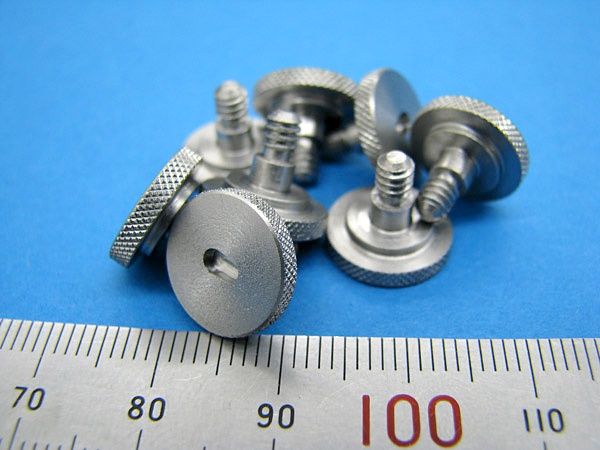
Knurled Screw
-
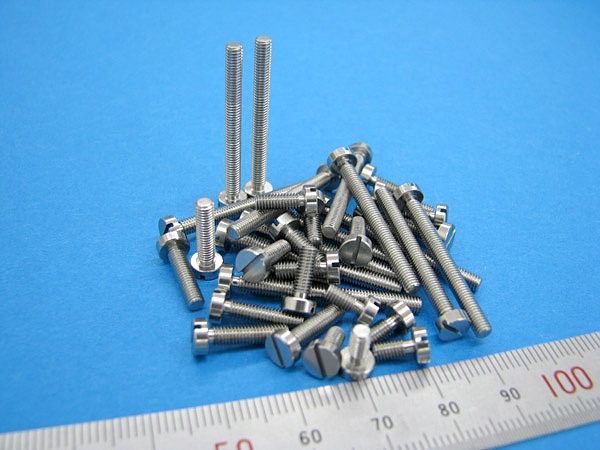
Long Pan Head Screw
-
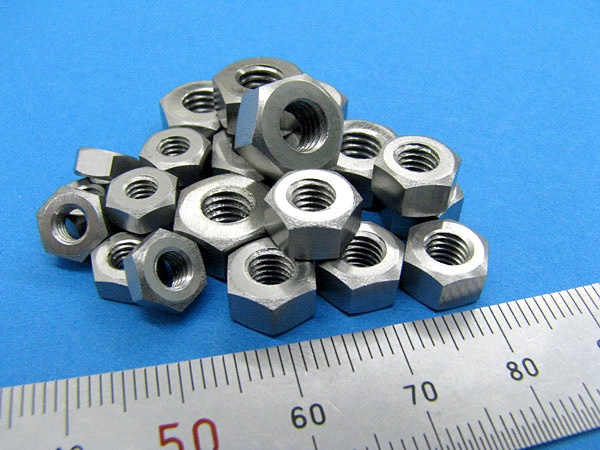
Hex Nut
-
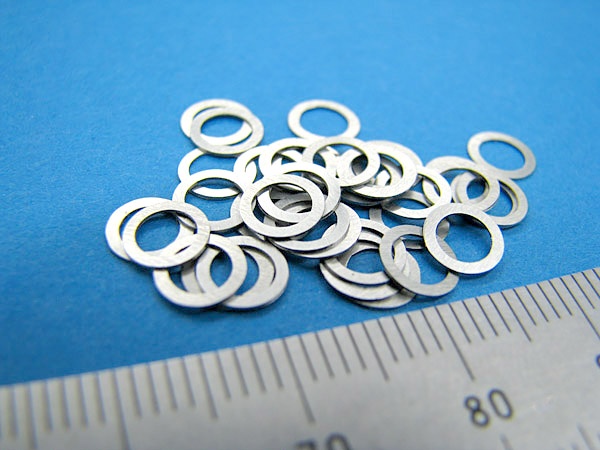
Washer
-
Hex Socket Bolt