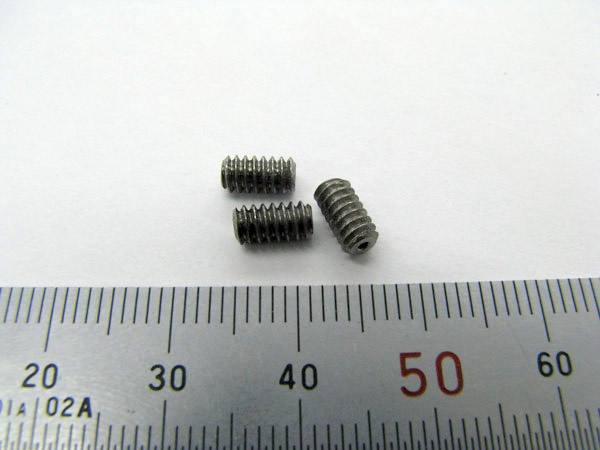
We introduce machining examples of tungsten
Tungsten is widely used for applications that take advantage of its high heat resistance and excellent radiation shielding properties.
Machining is difficult due to tool wear and the risk of cracking and chipping, requiring proprietary cutting technology
We have established machining technology based on many years of experience.
Materials are stocked in-house, enabling short lead times.
Tungsten (W)
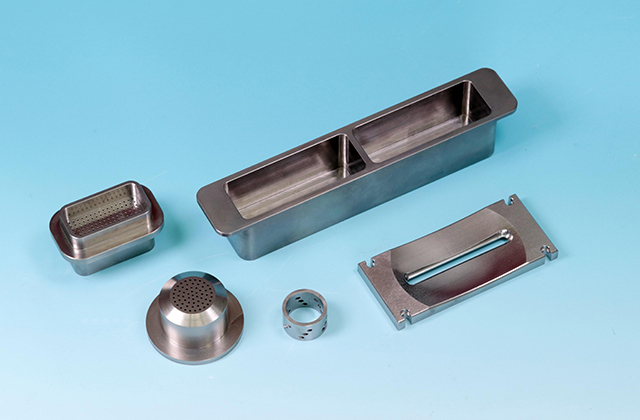
Heat resistance · High Thermal Conductivity · Low Thermal Expansion · High Density
Typical properties of tungsten
| Item | Purity (%) |
Bulk Density (g/㎤) |
Vickers Hardness (GPa) |
Young’s Modulus (GPa) |
Melting Point (℃) |
Recrystallization Temperature (℃) |
Coefficient of Thermal Expansion (×10-⁶/℃) |
Thermal Conductivity (W/(m·K)) |
|---|---|---|---|---|---|---|---|---|
| Chemical Formula | ||||||||
| W | 99.95– | 19.3 | 4.2 | 403 | 3,422 | 1,150–1,350 | 4.5 | 168 |
Applications Utilizing Material Properties
| Item | Features | Applications |
|---|---|---|
|
High Heat Resistance Low Thermal Expansion High Thermal Conductivity |
· Very high melting point of 3,422°C, suitable for high-temperature use (non-oxidizing atmosphere) · Low Thermal Expansion with minimal warping and distortion · Thermal expansion close to ceramics such as AlN and Al2O3 · High thermal conductivity with efficient heat transfer |
· Components for High-Temperature Use · Heaters and terminal components · Components requiring high thermal conductivity · Heat dissipation applications · Radiation shielding components · Components requiring mass |
| Radiation Shielding | · Radiation shielding capability | |
| High Density | · High density of 19.3, resulting in high weight per unit volume | |
| Chemical Resistance |
Machinable Sizes
| Item | Sizes (mm) | Item | Sizes (mm) |
|---|---|---|---|
| Plate Dimensions | 400 × 600 × 30 | Hole Diameter | Φ0.1– |
| Rod Dimensions | Φ100 × 300 | Hole Depth | –300 |
| Grooves | Width 0.2– | Number of Holes | –300 |
| Steps (Protrusions / Recesses) | –100 | Threads | M2– |
Machining examples of tungsten
-
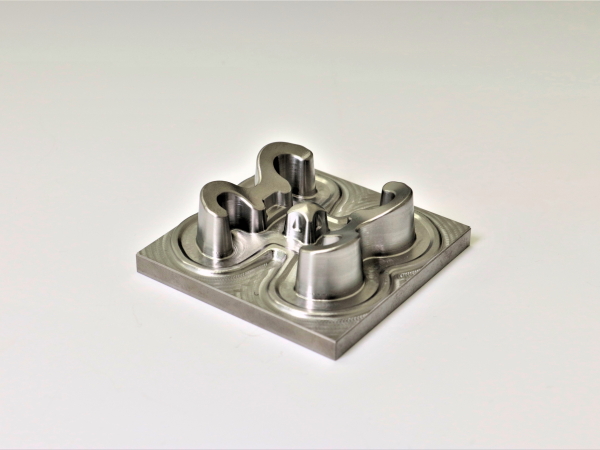
Tungsten 3D Machined Parts 1
-
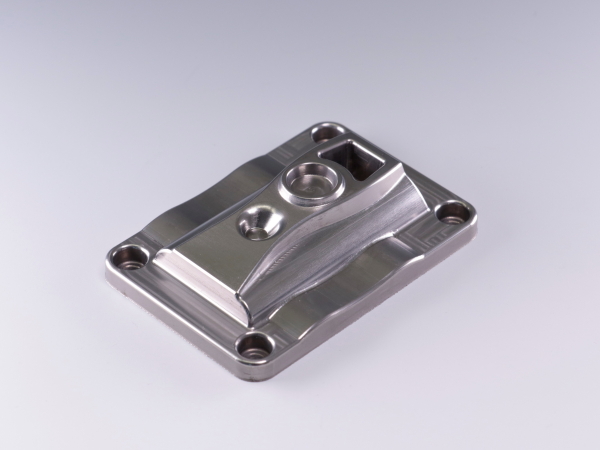
Tungsten 3D Machined Parts 2
-
Tungsten Boat
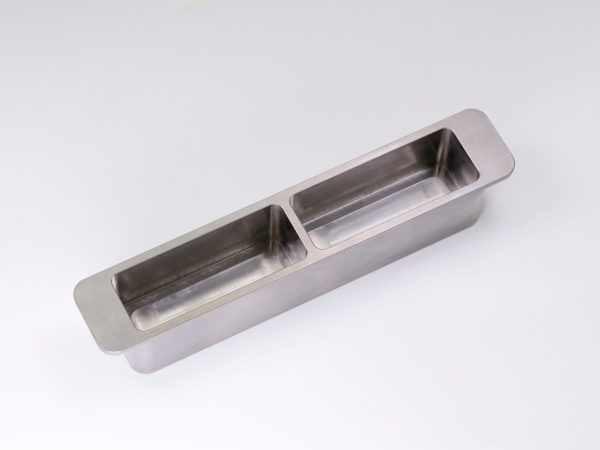
-
Tungsten Electrode 1
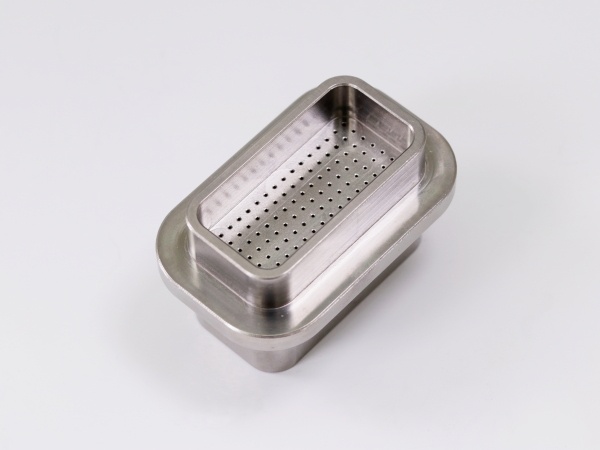
-
Shower Electrode
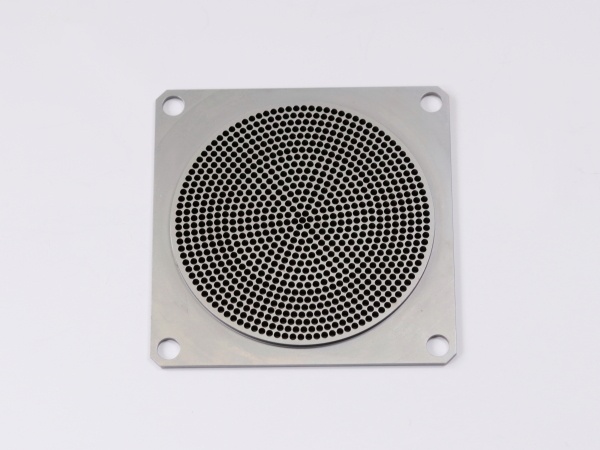
-
External and Internal Thread Machined Parts
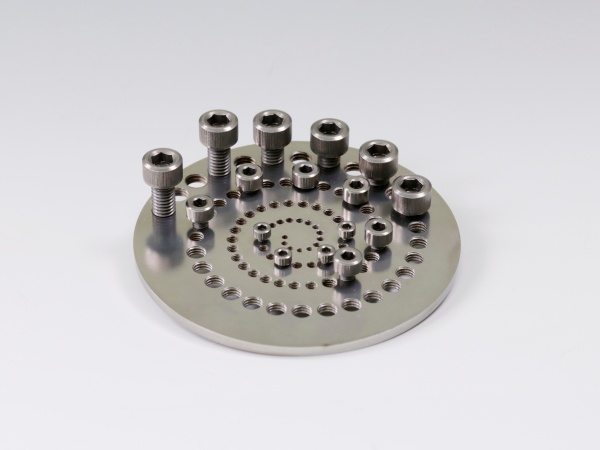
-
Tungsten Electrode 2
-
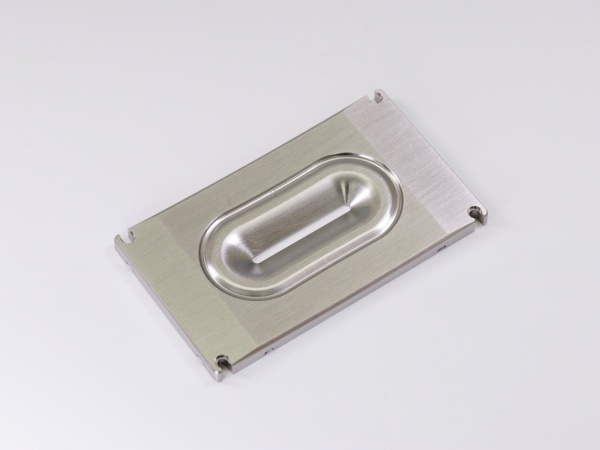
Tungsten Machined Parts 1
-
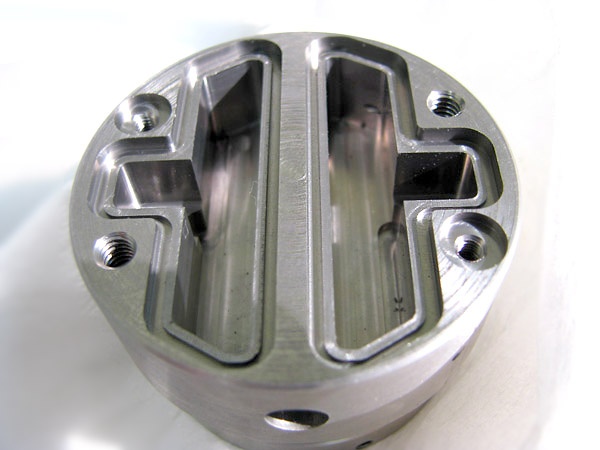
Tungsten Nozzle
-
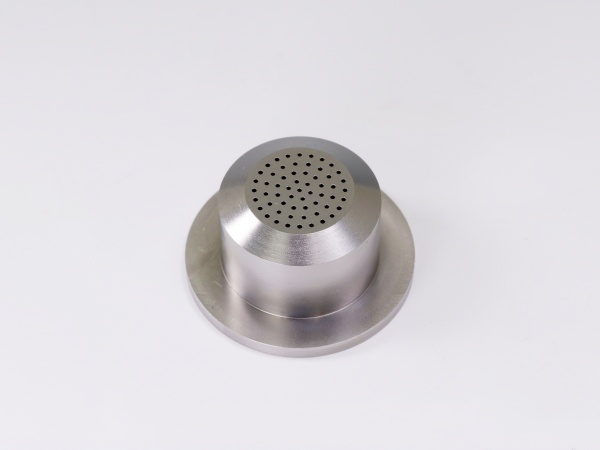
Hearth Liner
-
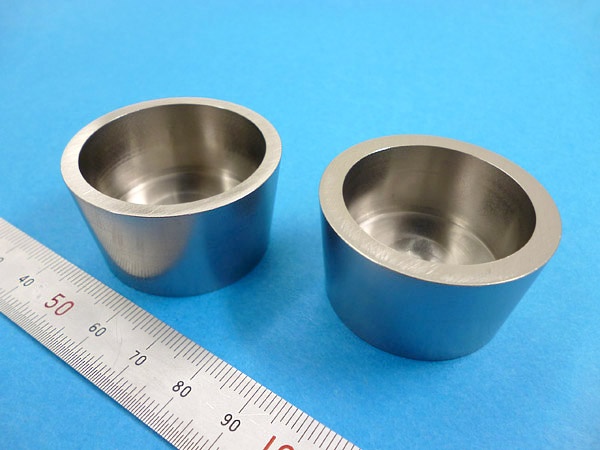
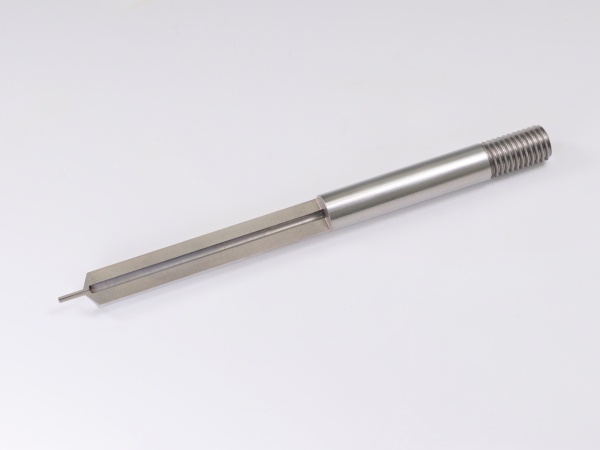
Tungsten Machined Parts 2
-
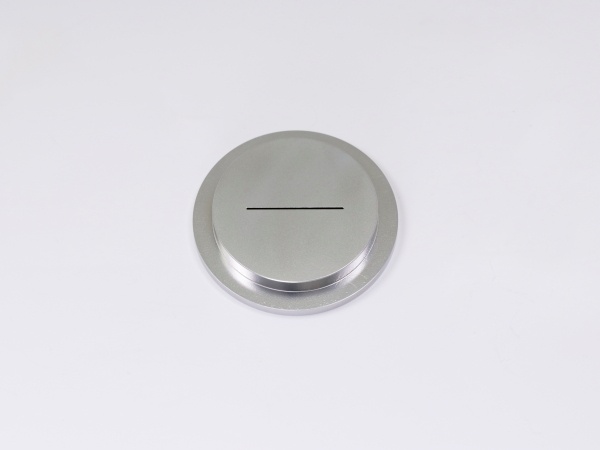
Tungsten Machined Parts 3
-
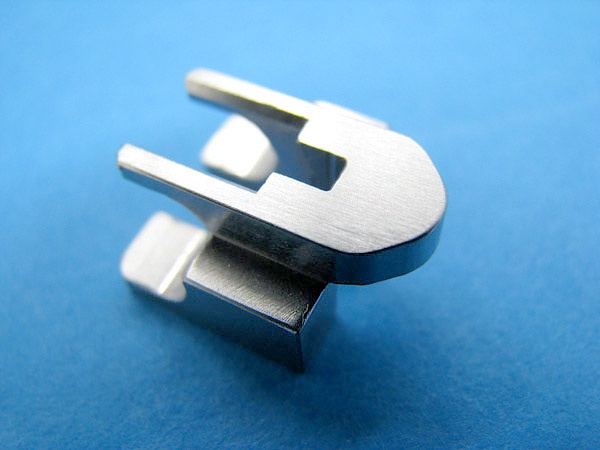
Tungsten Electrode 3
-
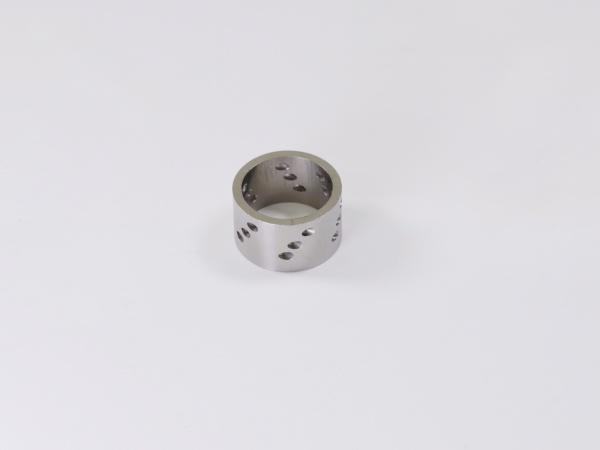
Ring Machined Part
-
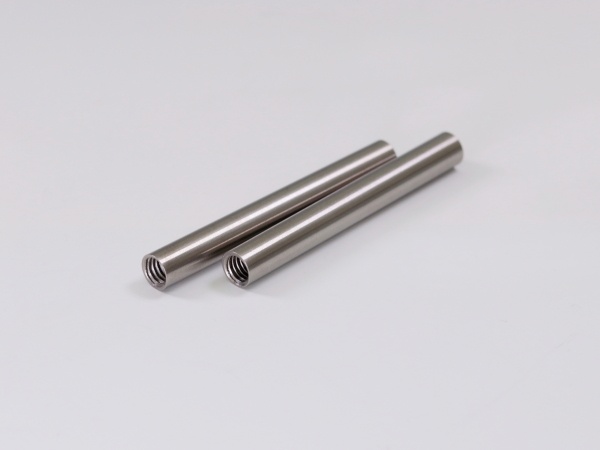
Tungsten Pipe
-
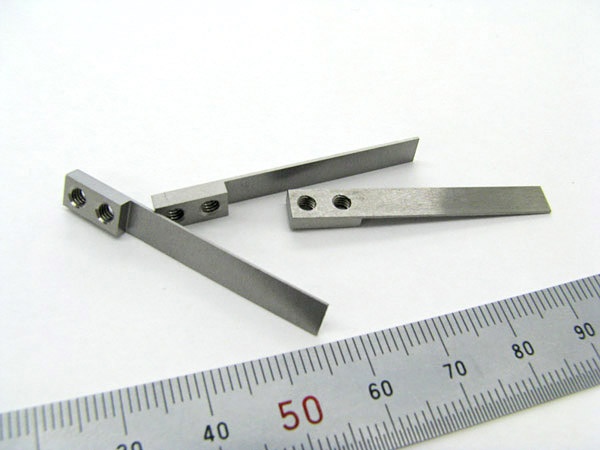
Tungsten Electrode 4
-
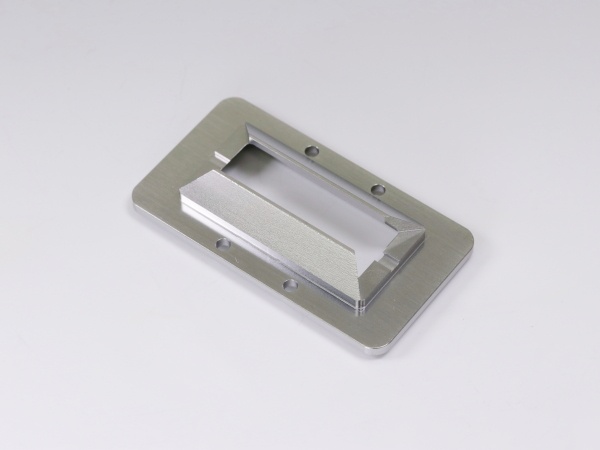
Tungsten Electrode 5
-
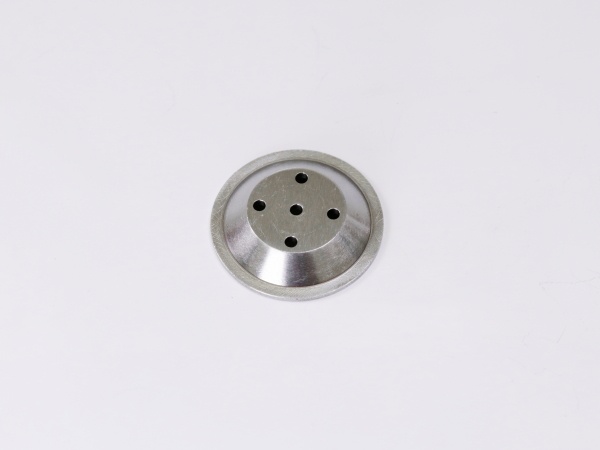
Tungsten Machined Parts 4
-
Set Screw