Pushing the Limits of Machining with Diffusion Bonding
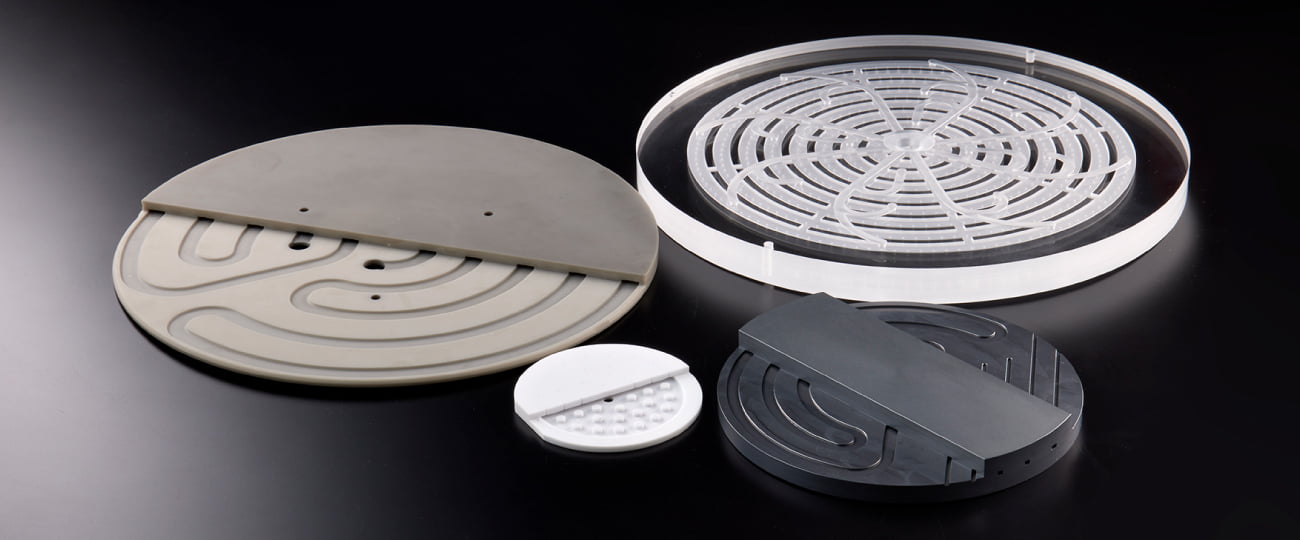
Top Seiko specializes in diffusion bonding of ceramics such as alumina and SiSiC composites, metals such as molybdenum and nickel, and quartz glass. Through these capabilities, we contribute to the advancement of cutting-edge fields including semiconductors, energy, aerospace, and astronomy. By combining this technology with our core expertise in ultra-precision machining of difficult-to-machine materials, we enable complex geometries that were previously difficult to achieve and provide solutions that accelerate our customers’ innovation. With this commitment, we continue to take on new challenges every day.
Facing These Challenges?
-
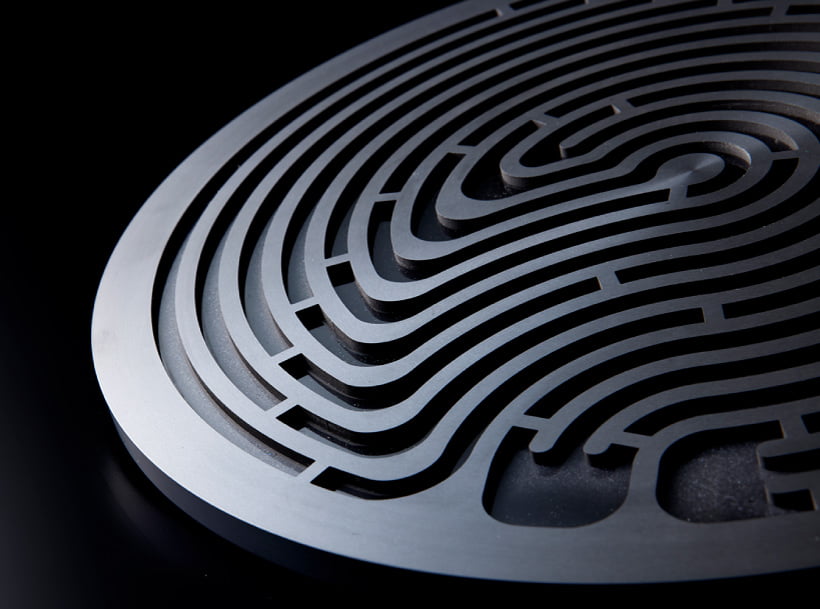
Want to achieve micro-scale, complex geometries that cannot be machined as a single piece
-
Need to avoid contamination risks associated with brazing materials or adhesives
-
Require components that maintain performance in harsh environments such as ultra-high temperatures or plasma
-
Struggling to maintain accuracy and strength with conventional bonding methods
-
Looking for support from the concept stage of next-generation component development
-
Seeking a partner with expertise in machining ceramics and refractory metals
As a partner with deep expertise in diffusion bonding,
Top Seiko supports our customers’ development and helps solve their technical challenges.
What Top Seiko Values
An Integrated Process from Material Procurement to Post-Bonding Operations
Delivering Outstanding Speed and Precision
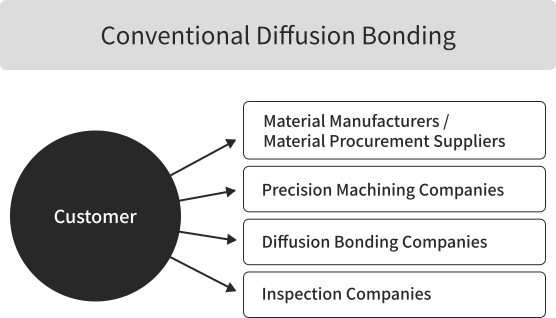
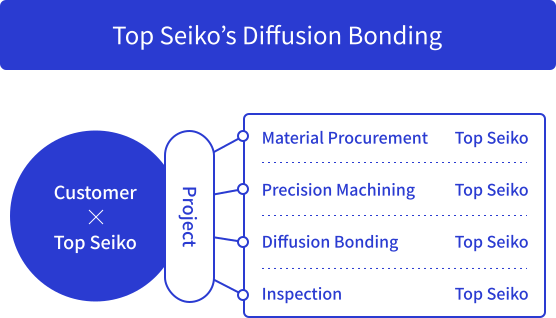
One of the most common challenges our customers face when adopting diffusion bonding for ceramics and refractory metals is coordinating multiple specialized vendors. While there are many companies with expertise in material supply, machining, diffusion bonding, and inspection, each typically operates within its own scope. This often leads to partial optimization, and coordination between separate vendors can be complex and time-consuming.
Top Seiko addresses this challenge by providing a fully integrated process—from material procurement and machining to diffusion bonding and inspection—all in-house. This enables us to handle even highly complex projects with both high precision and speed.
More than just a component supplier, we act as a trusted partner, supporting our customers from the earliest stages of their projects—an approach that has earned strong recognition from many companies.
Examples of Diffusion Bonding
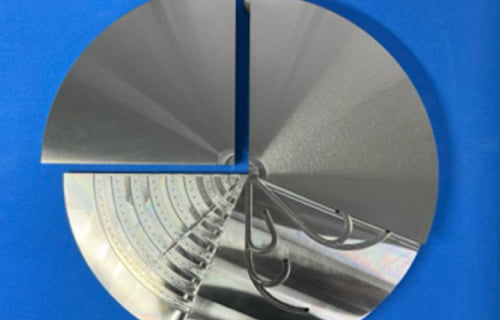
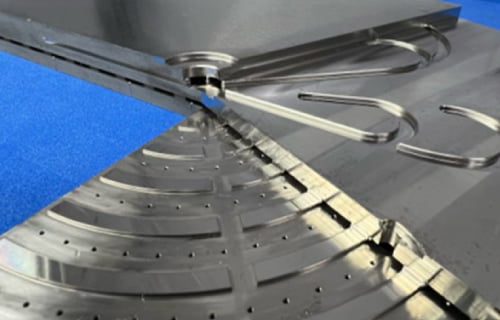
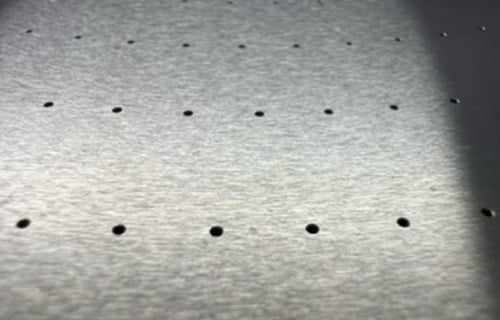
Nickel
Φ310, 3-Layer Bonding, Internal Flow Channels, Diffusion Bonding
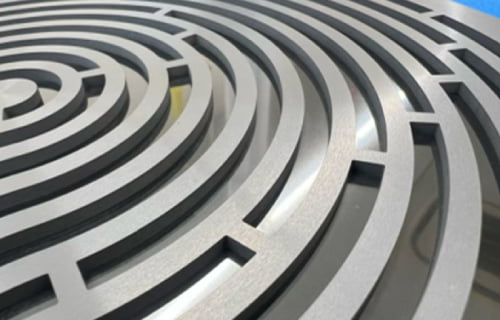
SiSiC Material
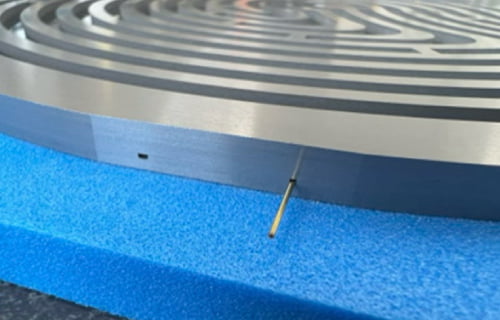
Φ300, 3-Layer Bonding, Formation of Cooling Channels and Side Holes
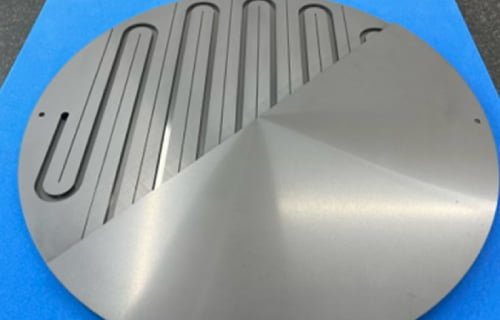
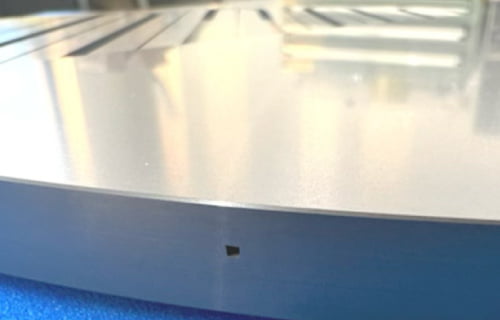
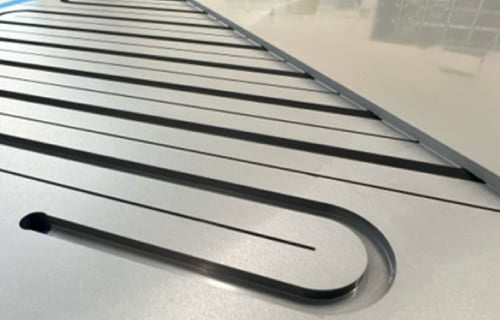
SiSiC Material
Φ390, 2-Layer Bonding, Internal Flow Channels and Side Holes
Internal Flow Channel He Leak Test Result: ≤ 6.0 × 10⁻¹² Pa·m³/sec (Target Achieved)
SiC Material
Φ180, 2-Layer Bonding, Internal Flow Channels and Fine Grooves
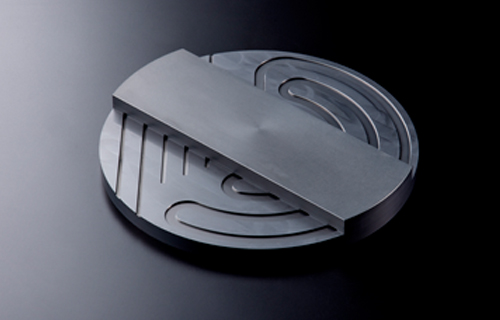
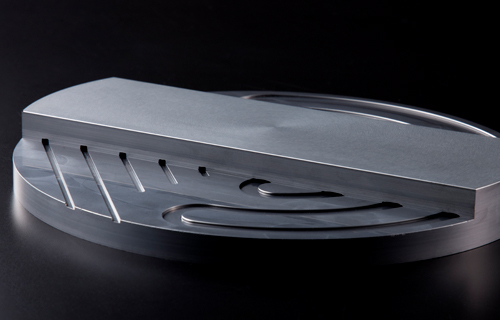
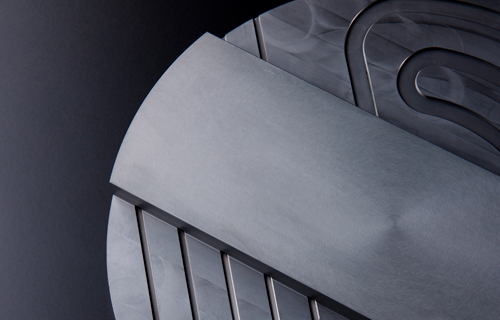
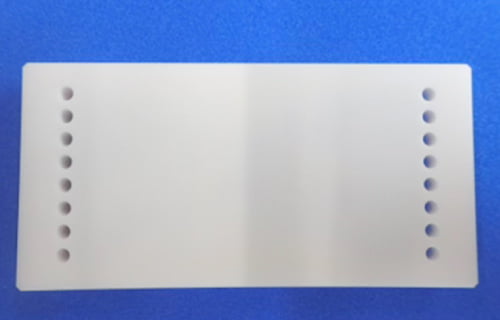
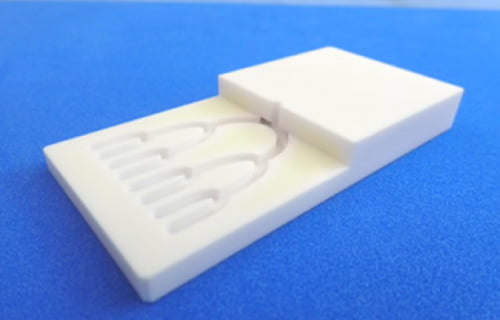
Alumina
50 × 100, 2-Layer Bonding, Internal Flow Channels
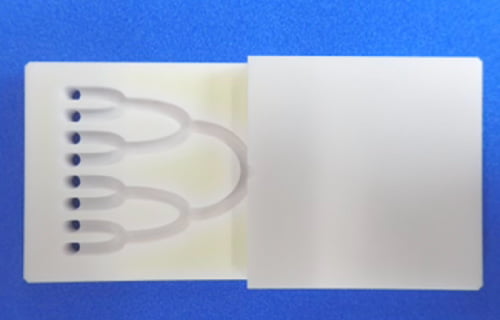
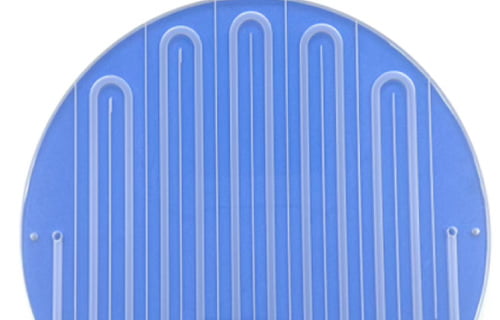
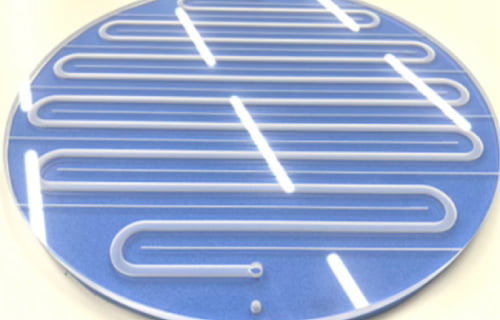
Quartz Glass
Φ390, 2-Layer Bonding, Internal Flow Channels and Side Holes
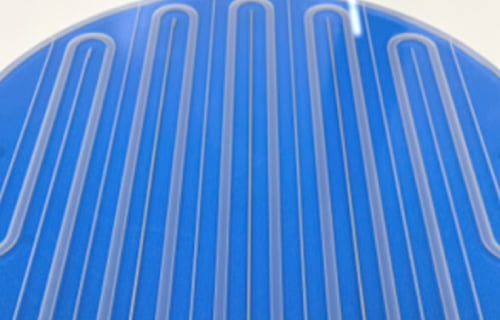
Molybdenum
Φ270, 2-Layer Bonding, Internal Flow Channels
Internal Flow Channel He Leak Test Result: ≤ 5.0 × 10⁻¹¹ Pa·m³/sec (Target Achieved)
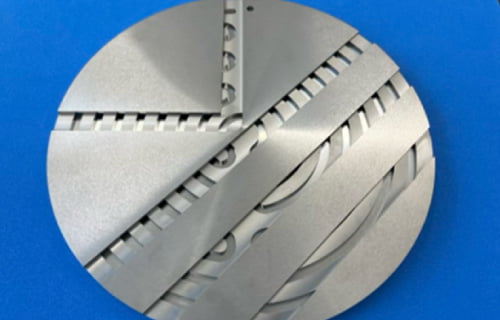
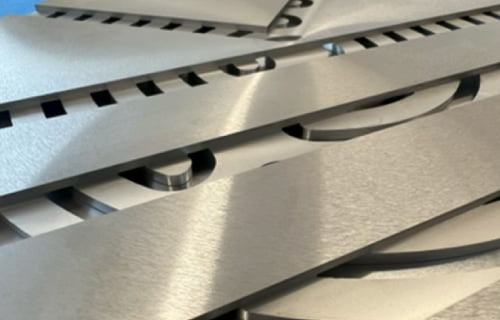
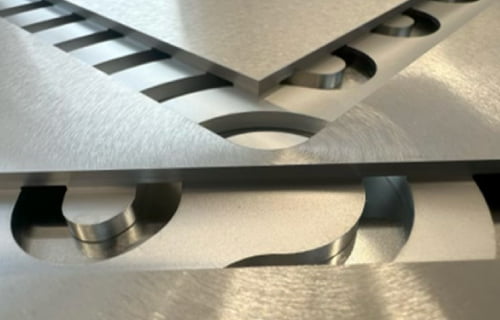
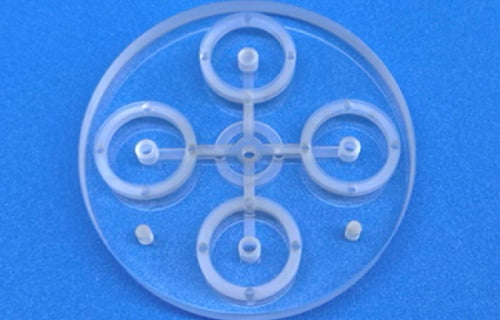
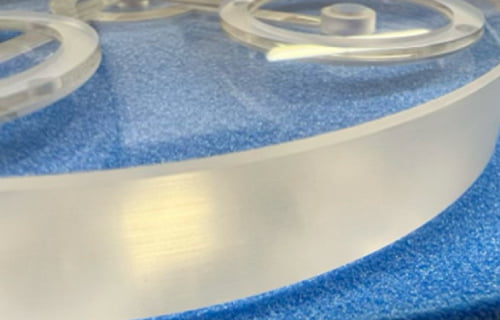
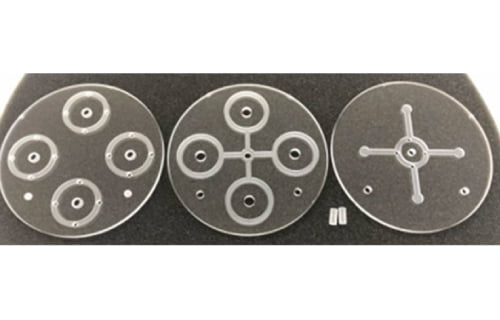
Quartz
Φ96, 3-Layer Bonding, Dual Internal Flow Channels
Scope of coverage
- Materials
- Proven bonding experience: Molybdenum, Nickel, Quartz Glass, SiC, SiSiC, Alumina, Aluminum Nitride, Columnar Silicon
Bonding is performed between identical materials.
We are also developing bonding technologies for other ceramics and metal materials. - He Leak
Target Value - ≤ 1.0 × 10⁻⁹ [Pa·m³/sec], achieved using test pieces for the materials listed above.
(He leak detector installed, capable of measurement down to the 10⁻¹¹ [Pa·m³/sec] range)
Advantages of Diffusion Bonding
The Potential to Drive Innovation Across a Wide Range of Industries
Diffusion bonding is a type of solid-state bonding technology that enables strong joining of either identical or dissimilar materials (at Top Seiko, we support bonding of identical materials only).
Because it does not rely on adhesives or melting, but instead integrates the base materials at the atomic level, it provides exceptionally high stability and strength after bonding.
Components manufactured using diffusion bonding demonstrate high reliability even in harsh environments such as high temperature, high voltage, vacuum, and plasma.
As a result, this technology has the potential to drive innovation across a wide range of industries, including semiconductors, energy, aerospace and astronomy, and medical
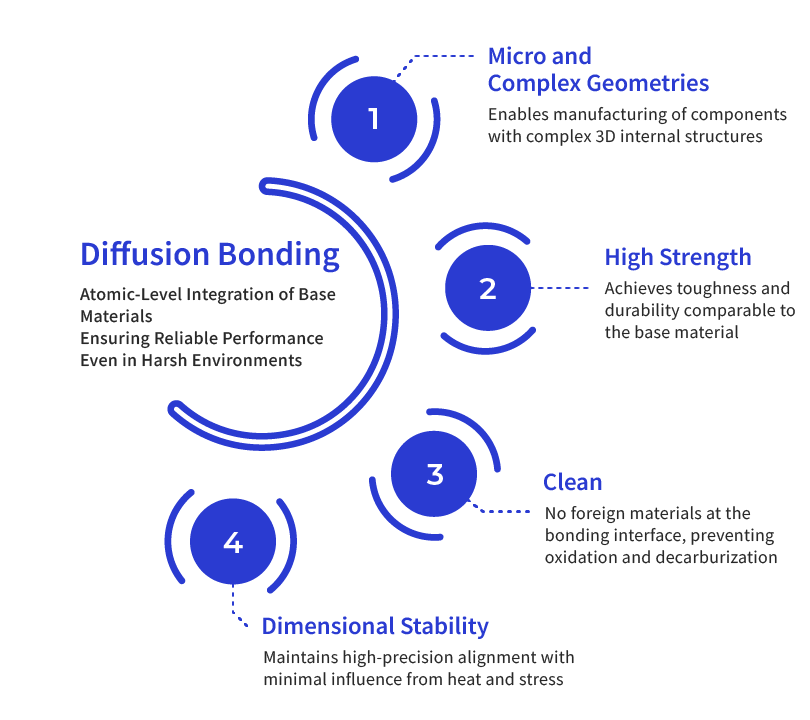
- Micro and Complex Geometries
- At Top Seiko, we leverage proprietary technologies and know-how in ultra-precision machining of ceramics and refractory metals to complete fine machining processes in advance, followed by bonding of the structure.
This approach enables the production of components with complex 3D internal structures—such as microchannels and mesh laminations—that are difficult to achieve through machining alone. - High Strength
- In diffusion bonding, no foreign materials such as adhesives or brazing fillers are used, and there are no physical or chemical discontinuities at the bonding interface.
Because the base materials are bonded at the atomic level, exceptionally high joint strength is achieved, providing toughness and durability comparable to the base material. - Clean
- In brazing, adhesive bonding, or welding, impurities can remain at the bonding interface, which may limit applicability in terms of corrosion resistance and heat resistance.
In contrast, diffusion bonding does not involve adhesives or brazing fillers at the interface.
Furthermore, because bonding is performed under vacuum with applied pressure, oxidation and decarburization are suppressed, allowing the interface to be maintained in a highly clean state. - Dimensional Stability
- In welding, melting the joint area can cause thermal distortion, which may lead to reduced dimensional accuracy. In contrast, diffusion bonding is performed at temperatures below the melting point of the base material, minimizing the effects of heat and stress. As a result, high and stable alignment accuracy can be maintained after bonding.
Our Strengths
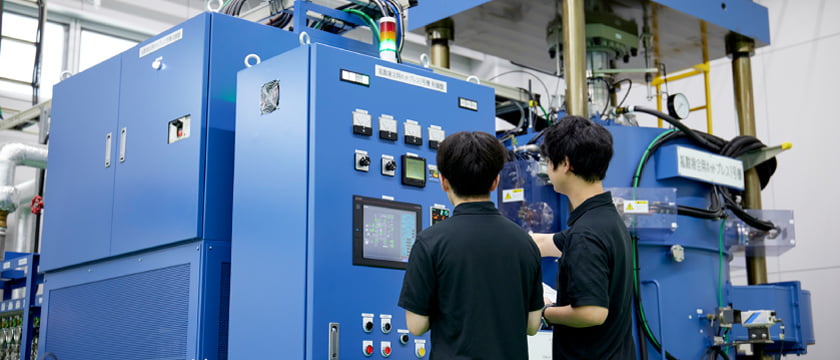
Dedicated Diffusion Bonding Team and Advanced Equipment
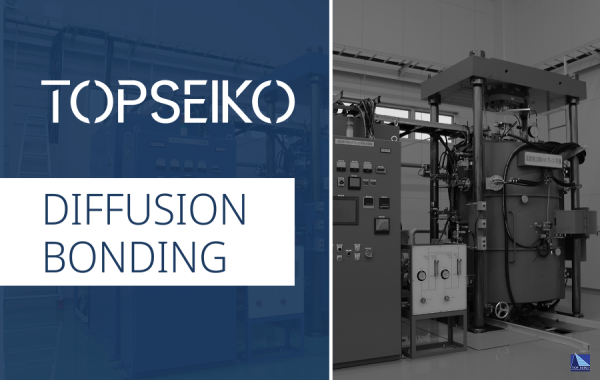
We have a specialized team and dedicated equipment focused on diffusion bonding, continuously pursuing the latest and most practical technologies.
By leveraging the expertise we have accumulated, we strive to help our customers achieve innovation in the shortest possible time.
Comprehensive Support from Materials to Machining
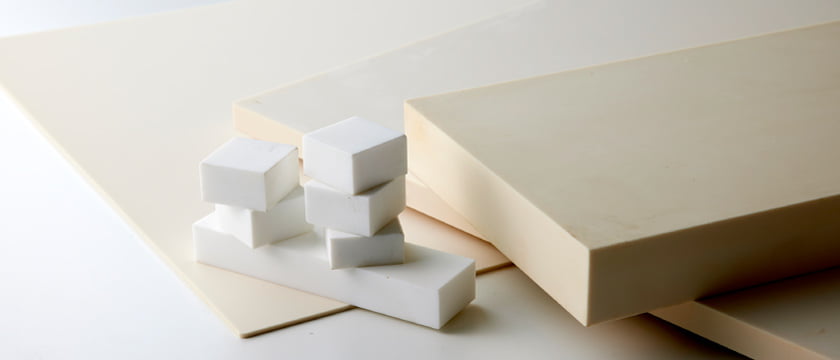
We maintain extensive inventory of ceramics such as alumina and SiSiC composites, refractory metals including molybdenum, and quartz glass.
This enables significant reduction in procurement lead times, while also allowing us to propose the most suitable materials for our customers’ applications.
Extensive Expertise in Pre-Bonding Precision Machining
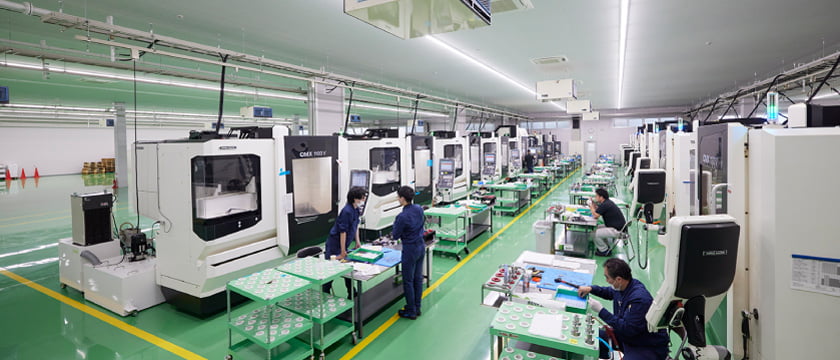
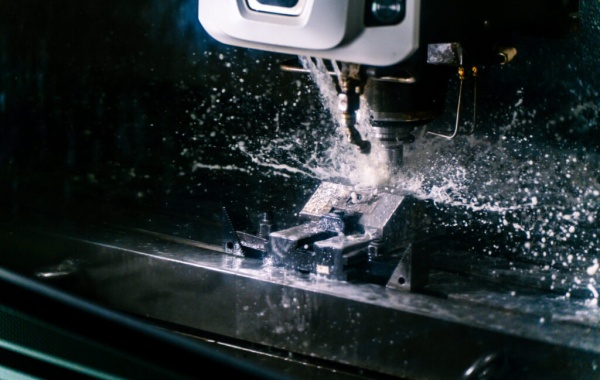
In diffusion bonding, pre-processing such as surface flattening of bonding interfaces and detailed machining is essential.
At Top Seiko, these processes are handled entirely in-house, allowing us to achieve higher precision and greater efficiency.
If you are interested in creating innovation using
Top Seiko’s diffusion bonding technology, please feel free to contact us.